
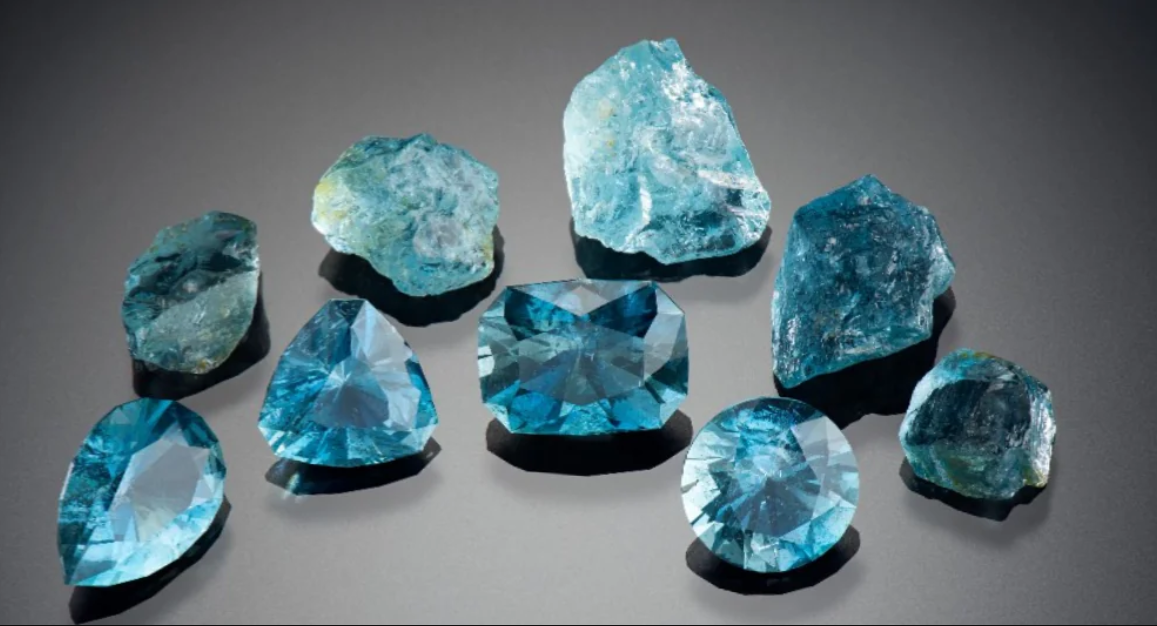
Aquamarine Look a likes: How to Identify the Real from the Rare
Aquamarine has long been admired for its serene blue tones, crystal clarity, and timeless elegance. Its ocean-inspired color makes it one of the most recognizable and desirable gemstones in fine jewelry. Many stones closely resemble aquamarine, and some are intentionally sold as substitutes—while others are genuinely rare gems that simply share a similar appearance. For buyers, collectors, and jewelry designers, understanding aquamarine look-alikes is essential. Knowing how to distinguish real aquamarine from similar-looking stones protects your investment, ensures authenticity, and helps you appreciate the true rarity of certain gems. At Luxury Express, we specialize in natural, certified gemstones, and this guide is designed to help you confidently identify real aquamarine while recognizing its most common—and rare—alternatives.
What Makes Aquamarine Unique?
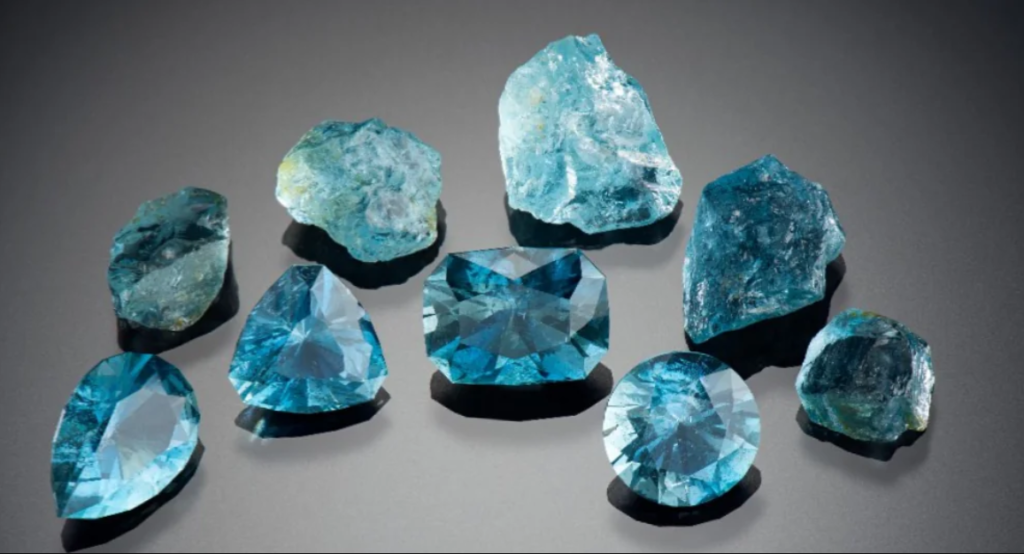
Aquamarine is a variety of beryl, the same mineral family as emerald. Its color ranges from pale sky blue to deeper blue-green, caused by traces of iron within the crystal structure.
Key Characteristics of Real Aquamarine
Light to medium blue, sometimes with green undertones
Excellent transparency and clarity
Vitreous (glass-like) luster
Mohs hardness of 7.5–8
Often eye-clean, even in larger sizes
Because of these qualities, aquamarine is popular in rings, necklaces, earrings, and investment collections. However, these same traits also make it easy to imitate visually.
Why Aquamarine Has So Many Look-alikes
Aquamarine’s relatively soft, airy blue color is not exclusive to one mineral. Several gemstones—both natural and synthetic—share overlapping color ranges and clarity, making visual identification difficult without gemological knowledge.
Reasons aquamarine is often confused:
Many blue gemstones occur naturally
Heat treatment can alter color
Lighting dramatically affects appearance
Synthetic stones mimic clarity perfectly
Understanding the differences requires looking beyond color alone.
Common Aquamarine Look-alikes (And How to Spot Them)
Below are the most frequently confused aquamarine substitutes, ranging from affordable alternatives to rare collector stones.
1. Blue Topaz (Most Common Look-alike)
Blue topaz is by far the most common aquamarine substitute on the market.
Why it’s confused with aquamarine:
Bright blue color
Excellent clarity
Widely available in large sizes
How to tell the difference:
Blue topaz often appears too intense or electric
Aquamarine usually has softer, more natural tones
Blue topaz is almost always treated (irradiated and heated)
Aquamarine’s color looks more subtle under daylight
Blue topaz is much cheaper and should never be priced like aquamarine.
2. Blue Glass (Imitation Stone)
Glass is one of the oldest gemstone imitations and is still widely used today.
Red flags of blue glass:
Tiny air bubbles visible under magnification
Lower hardness (scratches easily)
Flat or dull luster compared to aquamarine
Very low price
While glass can look convincing at a glance, it lacks durability and long-term value.
3. Synthetic Spinel
Synthetic spinel is laboratory-created but visually stunning.
Why it fools buyers:
Perfect clarity
Stable light blue color
High brilliance
Key differences:
Too flawless (natural aquamarine often has subtle inclusions)
Identifiable under magnification or lab testing
Lacks natural growth patterns
Synthetic stones must always be disclosed; undisclosed synthetics are a major concern in the market.
4. Blue Sapphire (Rare but Confusing)
Certain light-colored blue sapphires can resemble aquamarine, especially when cut shallow.
Differences to note:
Sapphire has higher hardness (9 Mohs)
More intense brilliance
Often darker or more saturated blue
Much higher price for fine quality
Sapphire is not a fake—just a different gemstone entirely.
5. Zircon (Natural but Misunderstood)
Natural blue zircon is often confused with aquamarine, especially antique stones.
Key traits of zircon:
Strong sparkle and fire
Slightly greenish or steely blue
Higher refractive index (more brilliance)
Zircon is softer and more brittle than aquamarine and requires careful setting.
6. Fluorite (Low-Value Look-alike)
Fluorite can show beautiful pale blue tones but is unsuitable for most jewelry.
Why it’s not aquamarine:
Very soft (Mohs hardness 4)
Scratches extremely easily
Lower clarity durability
Fluorite is a collector’s mineral, not a fine jewelry gemstone.
Rare Aquamarine Look-alikes That Deserve Attention
Some gemstones resemble aquamarine but are actually rarer and sometimes more valuable.
1. Blue Tourmaline (Indicolite)
Indicolite tourmaline can closely resemble aquamarine but often has deeper saturation.
How to distinguish:
Richer blue tones
Strong pleochroism
Higher price for fine specimens
Indicolite is rarer than aquamarine and prized by collectors.
2. Grandidierite (Extremely Rare)
One of the rarest blue gemstones in the world.
Why it’s mistaken for aquamarine:
Blue-green color
Transparent to translucent appearance
Key differences:
Much rarer
Often included
Extremely high value
Grandidierite is seldom seen in jewelry and is primarily a collector’s gem.
3. Goshenite (Colorless Beryl)
Goshenite is colorless beryl and belongs to the same family as aquamarine.
Why it matters:
Chemically similar
Sometimes lightly tinted
Can be mistaken for pale aquamarine
However, true aquamarine must show blue color caused by iron.
How Professionals Identify Real Aquamarine
Visual inspection alone is not enough. Professionals rely on a combination of tools and expertise.
Methods Used by Gemologists
Refractive index testing
Specific gravity measurement
Microscopic inclusion analysis
Spectroscopy
Certification from accredited labs
These methods definitively separate aquamarine from look-alikes.
Why Certification Is Essential
A gemstone certificate removes all doubt.
What a Certificate Confirms
Natural vs synthetic
Gemstone identity
Treatments (if any)
Quality grading
Reputable labs include:
GIA
IGI
GRS
AGL
At Luxury Express, every aquamarine is properly identified and certified, ensuring confidence for buyers worldwide.
Pricing Differences: Aquamarine vs Look-alikes
Understanding pricing helps avoid costly mistakes.
General Price Comparison (Per Carat)
Blue Glass: $1 – $10
Blue Topaz: $5 – $50
Synthetic Spinel: $20 – $100
Aquamarine: $50 – $1,000+
Indicolite Tourmaline: $500 – $5,000+
If a “deal” seems too good to be true, it usually is.
Common Buyer Mistakes to Avoid
Buying based on color alone
Ignoring certification
Confusing treatment with enhancement fraud
Overpaying for substitutes
Purchasing from unverified sellers
Education is the strongest protection against misrepresentation.
Why Buying from a Trusted Source Matters
Luxury gemstones demand transparency. When you buy from a trusted supplier, you gain:
Guaranteed authenticity
Ethical sourcing
Accurate pricing
Expert guidance
Luxury Express provides all of the above, serving clients in the U.S., Canada, and the U.K. with confidence and integrity.
Final Thoughts: Beauty Is in the Details
Aquamarine is a gemstone of calm elegance, but its popularity makes it one of the most commonly confused gems in the market. From blue topaz and glass to rare stones like indicolite and grandidierite, many gems share its look—but not its identity or value.
By understanding aquamarine’s unique properties and learning how to identify its look-alikes, you empower yourself to make informed, confident decisions. Whether you are buying for jewelry, collecting, or investment, knowledge transforms beauty into lasting value.
At Luxury Express, we are proud to offer authentic, certified aquamarine gemstones, backed by expertise you can trust.
