
How to Buy Tanzanite: A Jewelry Maker’s Guide to Quality and Pricing
Tanzanite is one of the most captivating gemstones in the modern jewelry world. Known for its mesmerizing blue-violet hues and remarkable rarity, tanzanite has become a favorite among jewelry makers, designers, and luxury brands seeking something distinctive yet elegant. However, buying tanzanite requires a deeper understanding than many gemstones—its value can vary dramatically depending on quality, color, and treatment.
At Luxury Express, we work closely with jewelry professionals across the United States, Canada, and the United Kingdom, supplying natural, certified, and responsibly sourced tanzanite. This guide is designed specifically for jewelry makers who want clarity on what truly matters when selecting tanzanite for fine jewelry and how pricing works in today’s market.
Why Tanzanite Is So Valuable for Jewelry Makers
Tanzanite is not just beautiful—it’s rare. Unlike diamonds, sapphires, or emeralds, tanzanite is mined in only one place on Earth, a small region near Mount Kilimanjaro in Tanzania. This limited supply alone makes it highly desirable for exclusive jewelry collections.
Jewelry makers value tanzanite because it offers:
A unique blue-violet color not found in other gemstones
High brilliance when properly cut
Strong emotional and luxury appeal
Increasing market value due to scarcity
For designers looking to differentiate their work, tanzanite delivers both visual impact and storytelling power.
Understanding Tanzanite Color: The Most Important Quality Factor
Color is the single most critical element in tanzanite valuation. Jewelry makers must understand how subtle differences in color dramatically affect pricing and desirability.
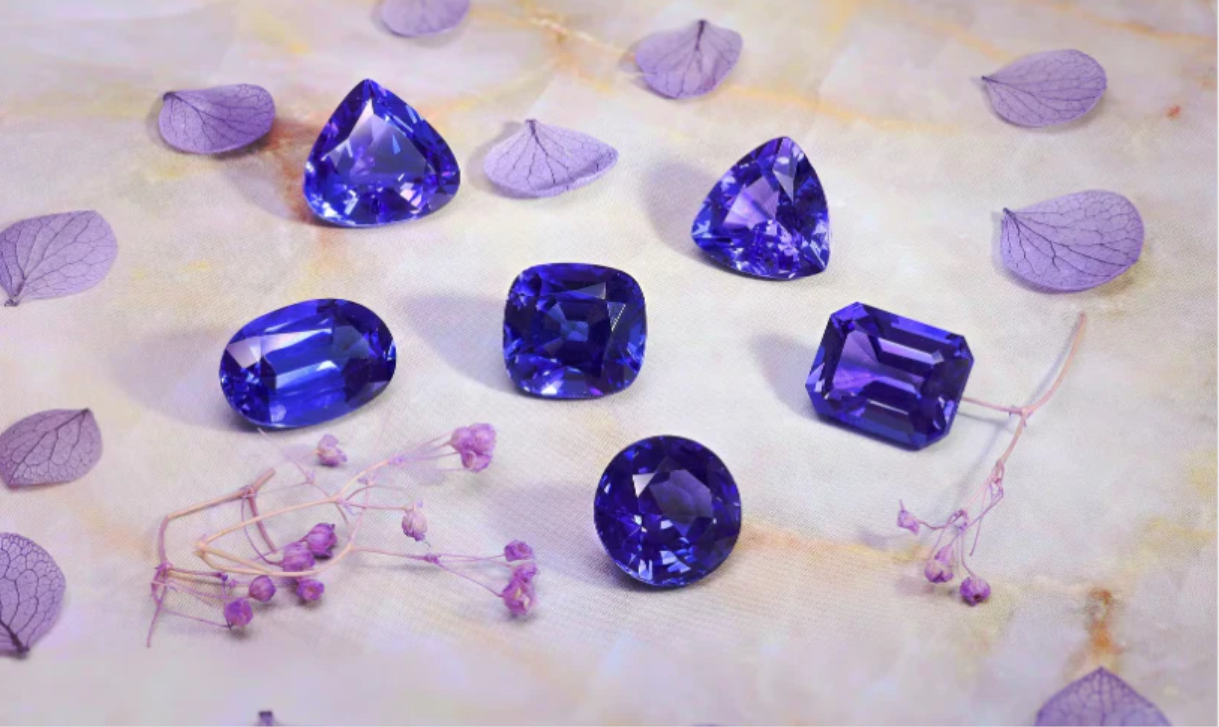
The Ideal Tanzanite Color
Top-quality tanzanite displays:
Deep blue with violet or purple undertones
Strong saturation
Minimal gray or brown modifiers
The most prized stones are often described as “royal blue” or “vivid blue-violet.”
Color Grades Explained
While grading terms may vary, tanzanite is commonly grouped into these color categories:
Light Blue / Pale Violet – Lower value, suitable for fashion jewelry
Medium Blue-Violet – Good commercial quality
Deep Blue-Violet – High-end and luxury jewelry quality
Vivid Royal Blue – Investment and collector-grade
For fine jewelry, especially rings and statement pieces, deeper colors are strongly preferred because they retain their richness under different lighting conditions.
Clarity: What Jewelry Makers Should Look For
Tanzanite typically forms with good clarity, which makes it appealing for gemstone cutting. However, clarity still plays a major role in value.
Preferred Clarity Standards
For jewelry use, ideal tanzanite should be:
Eye-clean (no visible inclusions without magnification)
Free from fractures that could weaken the stone
Free from cloudy or milky areas
Minor inclusions are acceptable if they do not affect brilliance or durability. Jewelry makers should be cautious with stones that have surface-reaching inclusions, as tanzanite is softer than sapphire or diamond.
Cut Quality: Maximizing Brilliance and Color
Cut is especially important for tanzanite because it strongly affects both color appearance and sparkle.
Why Cut Matters More in Tanzanite
Tanzanite is pleochroic, meaning it shows different colors depending on viewing angle—typically blue, violet, and burgundy. A skilled cutter orients the stone to emphasize blue and violet while minimizing unwanted tones.
Best Cuts for Tanzanite Jewelry
Oval
Cushion
Emerald cut
Pear
Round (premium cutting required)
Custom designer cuts
A well-cut tanzanite will appear brighter, deeper in color, and more lively—qualities that significantly enhance finished jewelry.
Carat Weight and Size Considerations
Tanzanite pricing increases exponentially with size, especially for stones with top color and clarity.
What Jewelry Makers Should Know
Small stones (under 1 carat) are widely available
Fine-quality stones above 3 carats become increasingly rare
Stones over 5 carats with vivid color command premium pricing
For statement rings, pendants, and bespoke designs, larger tanzanite stones can create exceptional value—but only if quality is maintained.
Tanzanite Treatments: Heat Treatment Explained
Almost all tanzanite on the market is heat treated, and this is fully accepted in the gemstone industry.
Why Tanzanite Is Heated
Natural tanzanite often appears brownish when mined. Gentle heat treatment:
Removes brown tones
Enhances blue and violet colors
Is permanent and stable
This process does not reduce value when properly disclosed.
What Jewelry Makers Should Avoid
Undisclosed treatments
Coated or dyed stones
Stones without certification
Reputable suppliers always disclose treatment status and provide documentation.
Certification: A Must for Professional Buyers
For jewelry makers, certification is not optional—it’s essential.
Why Certified Tanzanite Matters
Confirms authenticity
Discloses treatments
Protects brand reputation
Supports resale and insurance value
Trusted gemological laboratories include:
GIA
IGI
GRS
AGL
Luxury Express supplies tanzanite with internationally recognized certification to meet professional standards.
Tanzanite Pricing Guide for Jewelry Makers
Understanding wholesale and retail pricing helps jewelry makers plan collections and margins accurately.
General Price Ranges (Per Carat)
Commercial Quality
Light to medium color
$100 – $300 per carat
Good Jewelry Quality
Medium to deep blue-violet
$300 – $800 per carat
High-End Jewelry Quality
Deep, saturated blue-violet
$800 – $2,000+ per carat
Exceptional / Collector Grade
Vivid royal blue
$2,000 – $5,000+ per carat
Prices fluctuate based on availability, market demand, and stone size. As mining supply continues to decline, long-term price appreciation is widely expected.
Durability: Is Tanzanite Suitable for Everyday Jewelry?
Tanzanite ranks 6–6.5 on the Mohs hardness scale, making it softer than sapphire or diamond.
Best Jewelry Applications
Earrings
Pendants
Necklaces
Occasion rings
For daily-wear rings, protective settings are recommended. Jewelry makers should educate clients on proper care to preserve the stone’s beauty.
Ethical Sourcing and Sustainability
Modern consumers increasingly care about ethical sourcing, and tanzanite offers a transparent supply story when sourced responsibly.
Luxury Express works with trusted suppliers who prioritize:
Legal mining practices
Fair labor standards
Environmental responsibility
This ethical narrative adds value to jewelry pieces and strengthens brand trust.
Common Mistakes Jewelry Makers Should Avoid
Choosing size over color
Buying uncertified stones
Ignoring cut orientation
Underpricing premium color grades
Using fragile stones in exposed settings
Avoiding these mistakes protects both craftsmanship and profitability.
Why Jewelry Makers Choose Luxury Express
Jewelry professionals choose Luxury Express because we offer:
Natural, certified tanzanite
Competitive wholesale pricing
Expert gemstone consultation
Reliable international shipping
Consistent quality control
Whether you’re creating a one-of-a-kind piece or a full luxury collection, our expertise ensures confidence at every step.
Final Thoughts: Buying Tanzanite with Confidence
Tanzanite is a gemstone that rewards knowledge. For jewelry makers, understanding color, clarity, cut, carat weight, and pricing is essential to sourcing stones that elevate designs and deliver lasting value.
As global demand grows and supply remains limited, tanzanite continues to strengthen its position as one of the most desirable gemstones in fine jewelry. With the right sourcing partner and informed selection, it can become a signature element in your creations.
At Luxury Express, we are proud to support jewelry makers worldwide with premium tanzanite that meets the highest standards of beauty, authenticity, and ethics.
